
Chiang Mai Recycling Roadmap
The Waste Situation in Chiang Mai
Chiang Mai stands at a crossroads. Beloved for its cultural heritage and natural beauty, the city now faces growing waste and pollution challenges. Overflowing bins, rats on streets, clogged drains, and unpleasant odors are common sights — all symptoms of a waste system that remains fragmented and underdeveloped.
Tourism, markets, hotels, and restaurants generate large volumes of waste without clear recycling channels. About 62% of waste is organic, and 22% is plastic, yet most ends up in landfills where it is buried or burned, worsening air pollution. Climate change brings heavier monsoons, flooding roads and carrying plastic into rivers — turning poor waste management into a public health and environmental crisis.
A clean Chiang Mai requires waste sorting at the source and a coordinated recycling system that reduces landfill pressure, creates green jobs, and restores community pride.
Who Needs to Be Involved

Municipality: Establish and enforce city-wide recycling policies, collect baseline waste data, and create transparent goals to reduce landfill use.
Residents: Separate recyclables at home; cleaner neighbourhoods and fewer pests will follow.
Vendors & Hotels: Commit to sorting waste and reducing disposables — cleaner streets improve tourism and brand image.
Schools & Youth: Lead public awareness, shaping future habits and environmental values.
Community Groups & Foundations: Build bridges between residents, municipality, and private sector through education and pilot projects.
If we all take responsibility, Chiang Mai can shift from reactive waste collection to proactive waste recovery — turning waste into resources.
Global Recycling Practices to Learn From
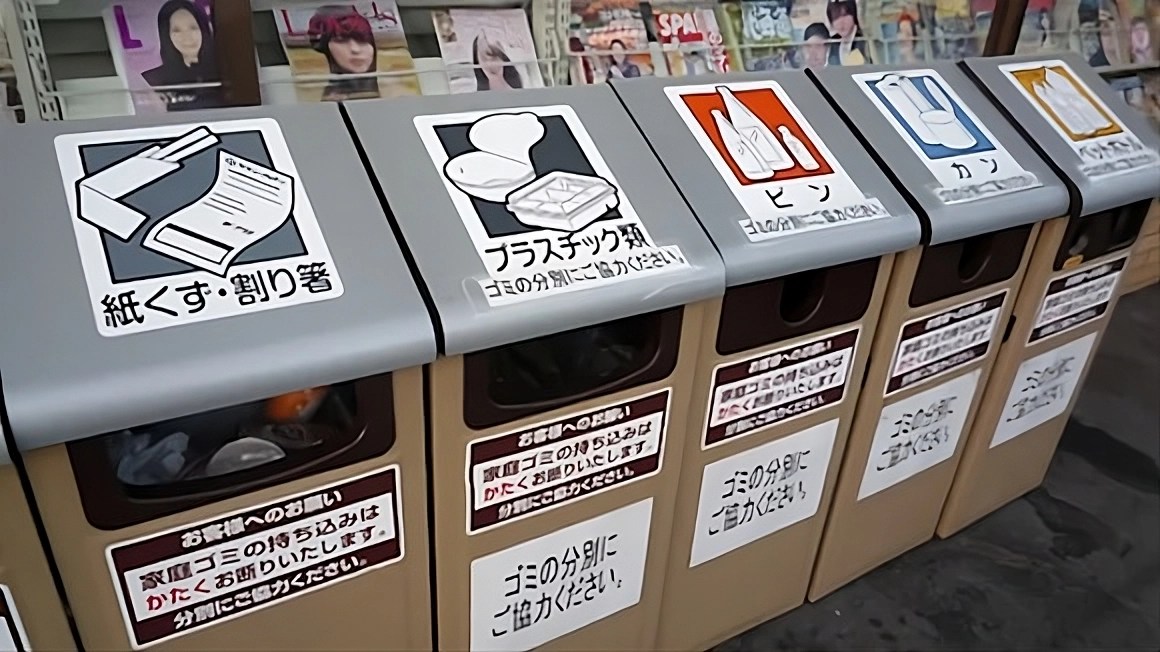
Japan enforces strict household and business-level recycling, with color-coded bins for plastics, cans, cardboard, and food waste. Items like plastic, glass, and metal are separated, processed, and often transformed into new products like fabric or containers. About 85% of plastic bottles are recycled, turning waste into new products. Where separate bins aren’t available, residents use labelled bin bags to separate out different materials. Supermarkets also act as collection points providing public bins for certain recyclables, where residents can drop off cleaned items after preparing them at home. The lesson: clear rules and community discipline.
Example guidelines for waste separation and collection by Oda City
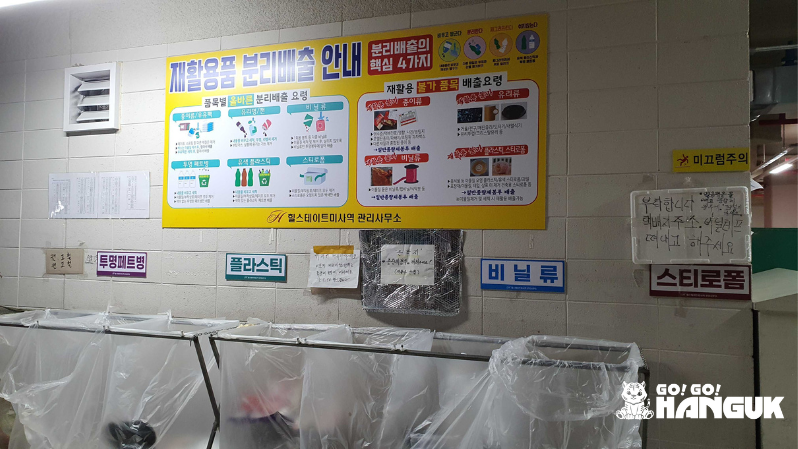
South Korea has a mandatory waste separation system called Jongnyangje that requires residents to sort waste into general, food, recyclable, and bulky categories. Recyclables are further separated by material like plastic, glass, cans, and paper, which must be rinsed before disposal. Bulky waste requires purchasing a special sticker, while food waste is collected using either specialized bags or RFID-based systems that charge residents based on weight, promoting waste reduction.
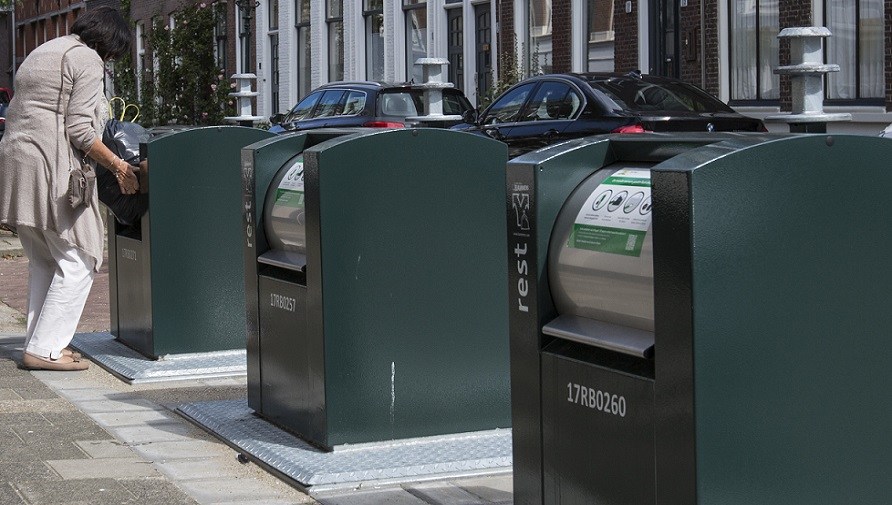
In the Netherlands, residents separate recyclables into multiple bins — glass, plastic, paper, organic. Local governments partner with Material Recovery Facilities (MRFs) to process materials efficiently. The Netherlands has become renowned for using underground bins for waste collection, especially in urban areas with limited space. The system emphasizes accountability and convenience.
The city of Amsterdam provides easy to follow waste handling guidelines
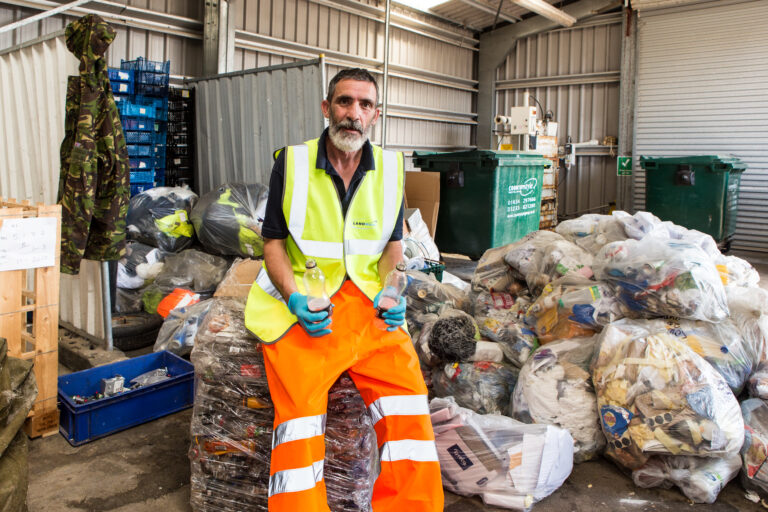
The United Kingdom provides separate bins for recyclables and compostables, collected on set days. Residents are required to separate into at least four main streams: residual (non-recyclable), food waste, paper and card, and other dry recyclables (plastic, metal, and glass). The goals are waste reduction, material recovery, and sustainable product design. Public recycling stations are strategically placed in locations like supermarkets and parks to reinforce consistent recycling habits among residents. Transparency and predictability are key to public participation.
See how a county in England integrates local and global waste goals
What Is Happening in Thailand
As of January 2025, Thailand has recently banned the import of plastic waste to combat pollution, as the country has struggled with excessive plastic use and mismanagement of waste. Thailand faces serious waste management issues, including excessive plastic use and inadequate recycling practices. The majority of Thailand’s waste is not recycled but sent to landfill or burnt (local level and incinerators). Following the laws of Thai governance, each municipality is empowered to manage waste in their districts.
Bangkok’s New Waste Fee System
Bangkok generates nearly 9,000 tons of waste daily but is reforming its system under the Thai Public Health Act 2025. The 2025 Act requires local governments to manage waste sustainably and promote citizen participation. It supports waste sorting at the source and empowers municipalities to collect fees that reflect real costs. The Act gives municipalities authority to enforce recycling and charge penalty fees based on the waste’s volume and separation.
- Small volume producers (homes up to 4kg/day): Not separated: 60 THB/month; Separated: 20 THB/month
- Moderate volume producers: 120 THB per 20 litres
- Large volume producers: 8,000 THB per cubic meter
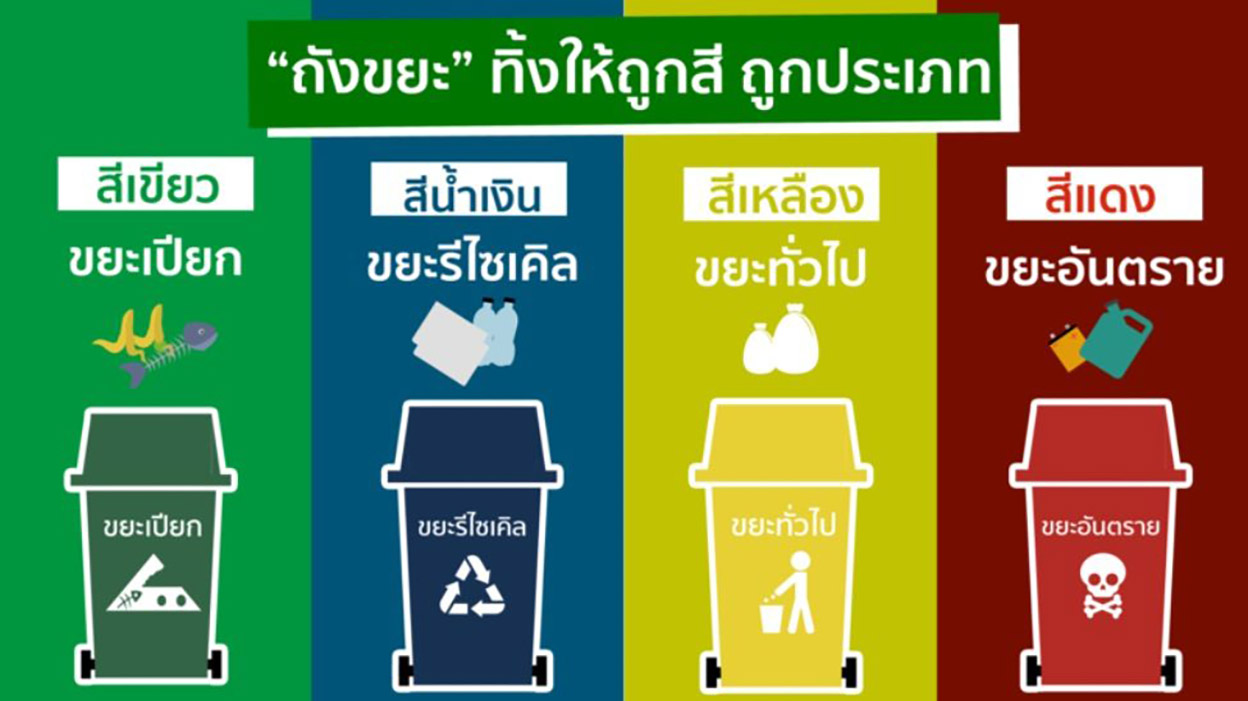
Residents and businesses register via a municipal app or district office. Those who separate waste pay lower fees — making recycling save cost.
Moving Forward with a Chiang Mai Recycling Roadmap
Past efforts, such as plastic bag bans, failed due to limited enforcement, inconsistent communication, and lack of public education. Regulations alone don’t change habits — engagement and leadership do. This is why Chiang Mai Nayu Foundation proposes developing a roadmap for Chiang Mai that encourages a community-integrated recycling approach.
1. Data and Policy Foundation
- Do a city-wide waste audit (homes, markets, hotels) to set a true baseline by weight and contamination.
- Set measurable goals (e.g., % diversion from landfill, ≤10% contamination, organics captured/month).
- Adopt simple rules (three streams: organics, recyclables, residuals) and publish a short bylaw + fee incentives for separators.
- Track and share results via a monthly public dashboard (ward-level).
2. Infrastructure and Access
- Place clearly labeled bins (green = organics, blue = recyclables, grey = residuals) in markets, schools, malls, tourist zones.
- Fix pickup calendars per stream (predictable days/hours) and post them on signage and a hotline/app.
- Make it easy to comply: liners for organics, bin stands with lids, accessibility for seniors and night-shift workers.
- Back-end capacity: staging points, scales for weighing, and clean transfer to reduce odors and pests.
3. Partnerships and Recovery Facilities
- Sign MOUs with MRFs in Chiang Mai/Bangkok for guaranteed off-take, with posted buy-back prices for PET, cans, paper.
- Grow circular options: composting/biogas for organics, repair and upcycling hubs, local green startups.
- Engage large generators (hotels, malls, markets) with separation standards, audits, and recognition for top performers.
- Coordinate with temples and traders to align collection days and host community drop-off points.
4. Community Education and Pilot Projects
- Start with pilot zones (a condo block, a market, or a hotel district) to prove the model before scaling.
- Co-design simple plans with residents, janitors, stall owners, and housekeeping—clear “what goes where” guides using icons.
- Teach where people are: school modules, temple announcements, market demos, and short videos on local channels.
- Reward participation: visible leaderboards, rebates/discounts for verified separators, and public clean-street days.
When the rules are simple, the bins are close, and results are public, participation follows.